An automotive air conditioning (AC) system is designed to keep the cabin comfortable by regulating temperature and humidity. At the heart of this system are two critical components: the automotive condenser and the evaporator. Both play unique yet interconnected roles in cooling the air that circulates inside the car. Understanding how these components work helps drivers appreciate the complexity behind the comfort they experience.
Content
What Is an Automotive Condenser?
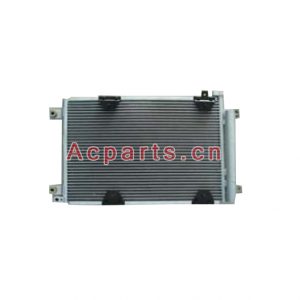
The automotive condenser is essentially a heat exchanger that plays a vital role in the refrigeration cycle of a car’s AC system. Its main function is to convert the high-pressure, high-temperature gaseous refrigerant from the compressor into a liquid form. During this process, the refrigerant releases heat, which is then dissipated into the surrounding air.
In most vehicles, the condenser is mounted at the front of the car, usually in front of the radiator. Because of this placement, it benefits from airflow while the car is moving. Additionally, a fan—either shared with the radiator or dedicated to the condenser—helps push air through the fins and pipes, speeding up the cooling process.
Structure of the Automotive Condenser
A typical automotive condenser is made up of tubes, cooling fins, an inlet, and an outlet that allow refrigerant circulation. The tubes act as pathways for the refrigerant, while the thin metal fins surround these tubes to increase the surface area, helping heat dissipate more quickly. Most condensers are constructed from aluminum because it is lightweight, durable, and an excellent conductor of heat.
The design may vary depending on the vehicle model, but most modern cars use either a parallel flow condenser or a serpentine condenser. In a parallel flow design, refrigerant flows through multiple small tubes in parallel channels, which provides efficient cooling in a compact size. In contrast, serpentine condensers use a single tube that winds back and forth like a coil, offering durability and ease of manufacturing.
As the hot, pressurized refrigerant gas from the compressor enters through the inlet, it moves across the tubes and fins while airflow from the cooling fan or vehicle motion removes heat. By the time the refrigerant exits through the outlet, it has transformed into a high-pressure liquid, ready to continue its journey toward the expansion valve and evaporator.
The Role of the Automotive Evaporator
While the condenser releases heat, the evaporator absorbs it. Located inside the vehicle cabin, the evaporator is responsible for cooling the air that passengers feel. When the refrigerant leaves the condenser as a high-pressure liquid, it flows through an expansion valve or capillary tube. This sudden drop in pressure causes the refrigerant to evaporate and turn into a low-pressure gas.
This phase change requires the refrigerant to absorb heat from its surroundings. As a result, the surface of the evaporator becomes very cold. A blower fan then pushes warm cabin air across the evaporator fins, cooling it down before it is circulated back into the car’s interior. This is the process that gives passengers refreshing cold air on a hot summer day.
How the Condenser and Evaporator Work Together
The automotive condenser and evaporator are two sides of the same coin in the air conditioning cycle, each performing a function that complements the other. The condenser’s job is to remove heat from the refrigerant and expel it outside the vehicle, while the evaporator absorbs heat from inside the cabin and transfers it to the refrigerant. By constantly exchanging heat in this way, they create a balanced system that delivers consistent cooling. Without the condenser, the refrigerant could not be converted back into a liquid for reuse, and without the evaporator, the system would have no means of absorbing cabin heat. Together, these components form the backbone of the vehicle’s cooling process, ensuring efficiency and comfort for passengers.
Importance of the Condenser and Evaporator in Vehicle Comfort
A well-functioning automotive condenser and evaporator are essential to maintaining comfort and efficiency inside a vehicle. These components ensure that passengers enjoy a steady flow of cool, dehumidified air, even in hot and humid weather conditions. By effectively managing heat exchange, they also reduce the workload on the compressor, which improves overall system efficiency and helps conserve energy. In addition, a properly operating condenser and evaporator extend the lifespan of the entire air conditioning system by preventing problems such as overheating, refrigerant imbalance, and excessive strain on other components. However, when either part begins to fail, the system quickly shows signs of trouble, such as weak cooling performance, unusual noises, or refrigerant leaks. Recognizing these early warning signs and addressing them promptly is key to preserving both passenger comfort and the long-term reliability of the AC system.
Conclusion
The working principle of the automotive condenser and evaporator demonstrates the precision and engineering behind modern car AC systems. While the condenser dissipates heat by turning hot refrigerant gas into liquid, the evaporator absorbs heat from the cabin and produces cool air. Together, these components form the backbone of the vehicle’s cooling system, ensuring that drivers and passengers enjoy a comfortable ride regardless of the weather outside.

Are you a racing fanatic? Alex’s heart beats to the rhythm of high-speed engines. He doesn’t just write; he revs up the excitement, giving you a ringside seat to the electrifying world of motorsports.